Responsibilities
From October to November 2025, I was assigned to AlterStaff's prototype team on a consulting basis (and later as a Lead Designer) to oversee the designs of a few prototypes. Streamphobia is one of the prototypes we shipped under my design oversight.
Before I joined, the prototype team did not have a dedicated designer. I playtested their original prototype, and overhauled the entire design from scratch while keeping the core idea of the project intact.
Design Overhaul
I had to work with some restrictions on the existing theme of the idea, which boiled down to the following cores:
- A horror experience within a haunted mansion
- LLM-powered Chat which interacts directly with gameplay
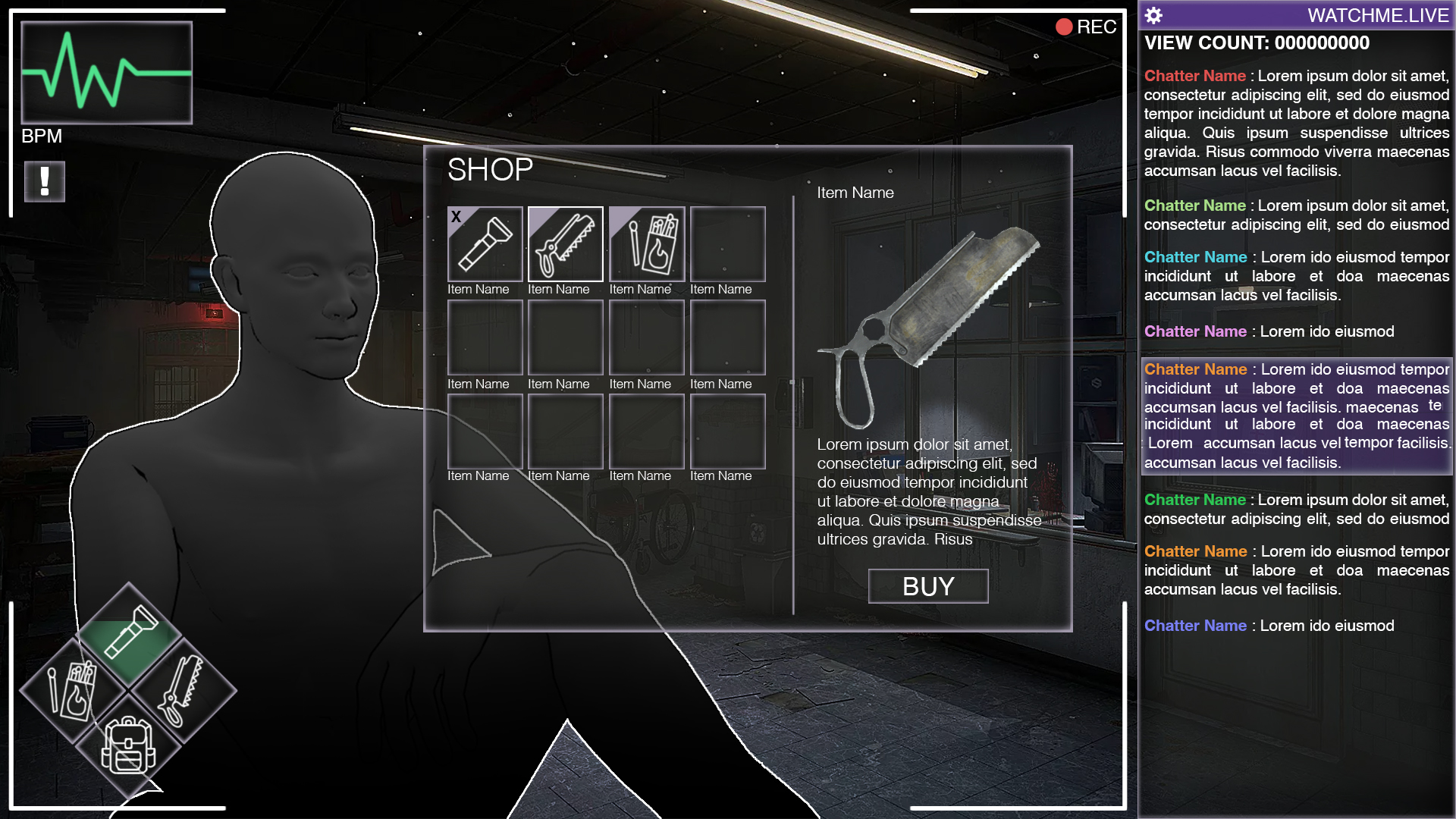
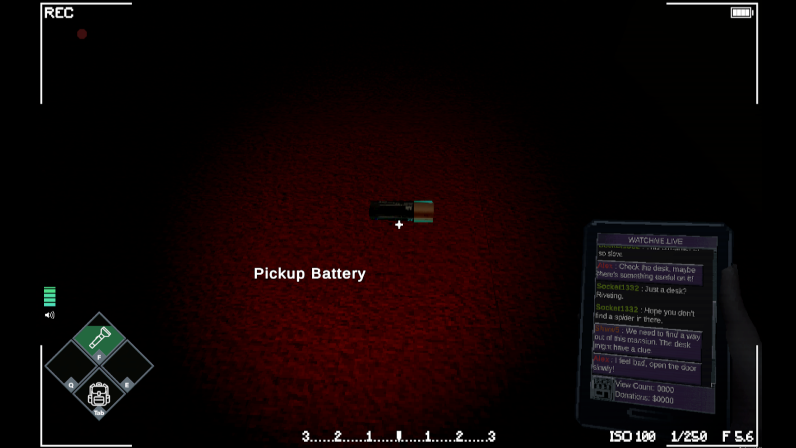
The original design had several issues that needed to be
addressed. I identified them as the following: 1.
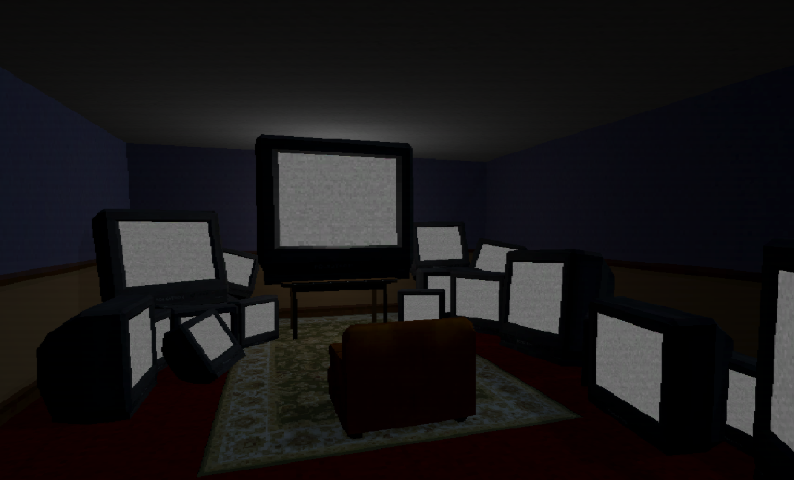
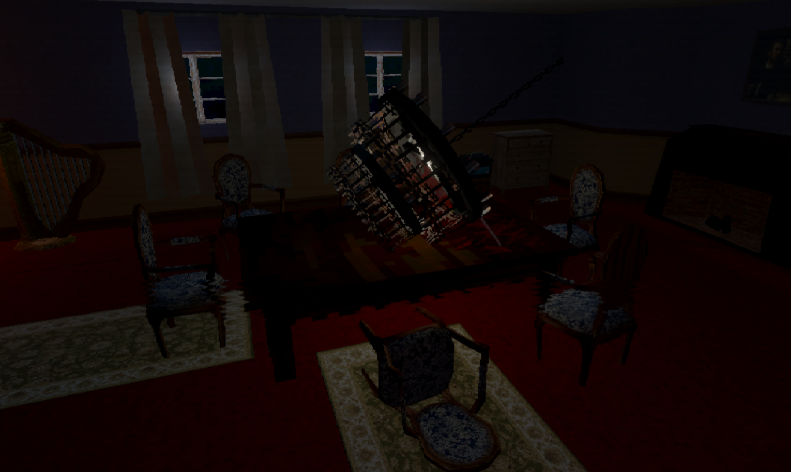
To address these issues, I pitched an idea based around what kinds of interactions would a streamer have with the audience while in a horror setting. The idea is to hide secrets that are barely detectable so that the player has to rely on the help of Chat to progress. The genre of anomaly finding game was the first to come to mind.
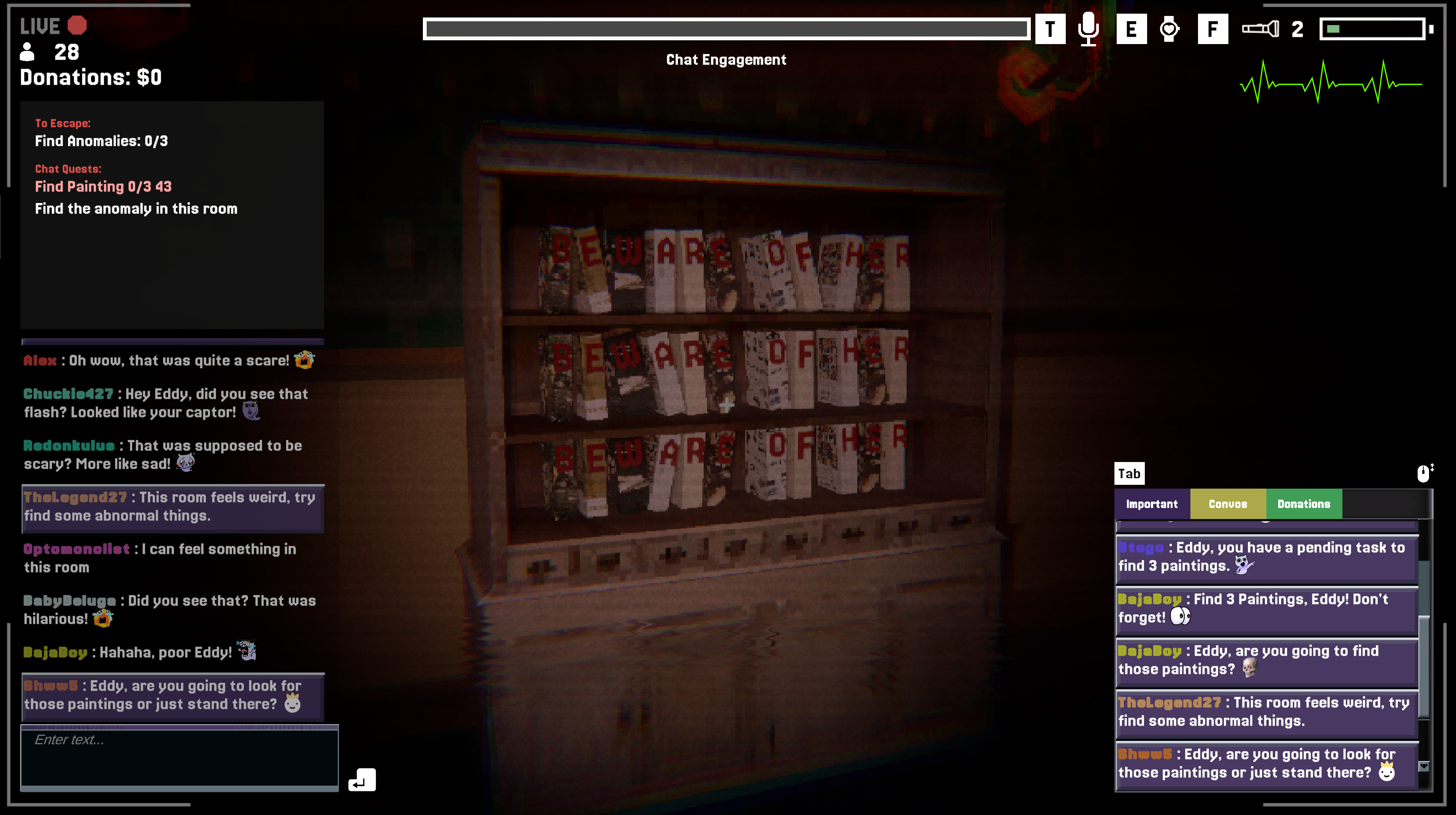
To further solidify the design I implemented the following elements:
- Looping levels
- Non-Euclidean rooms
- Anomalies that does not stand out until stared at
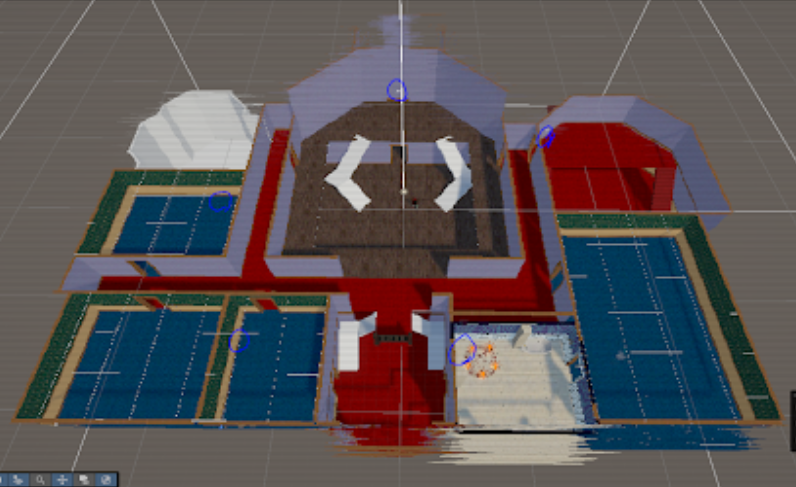
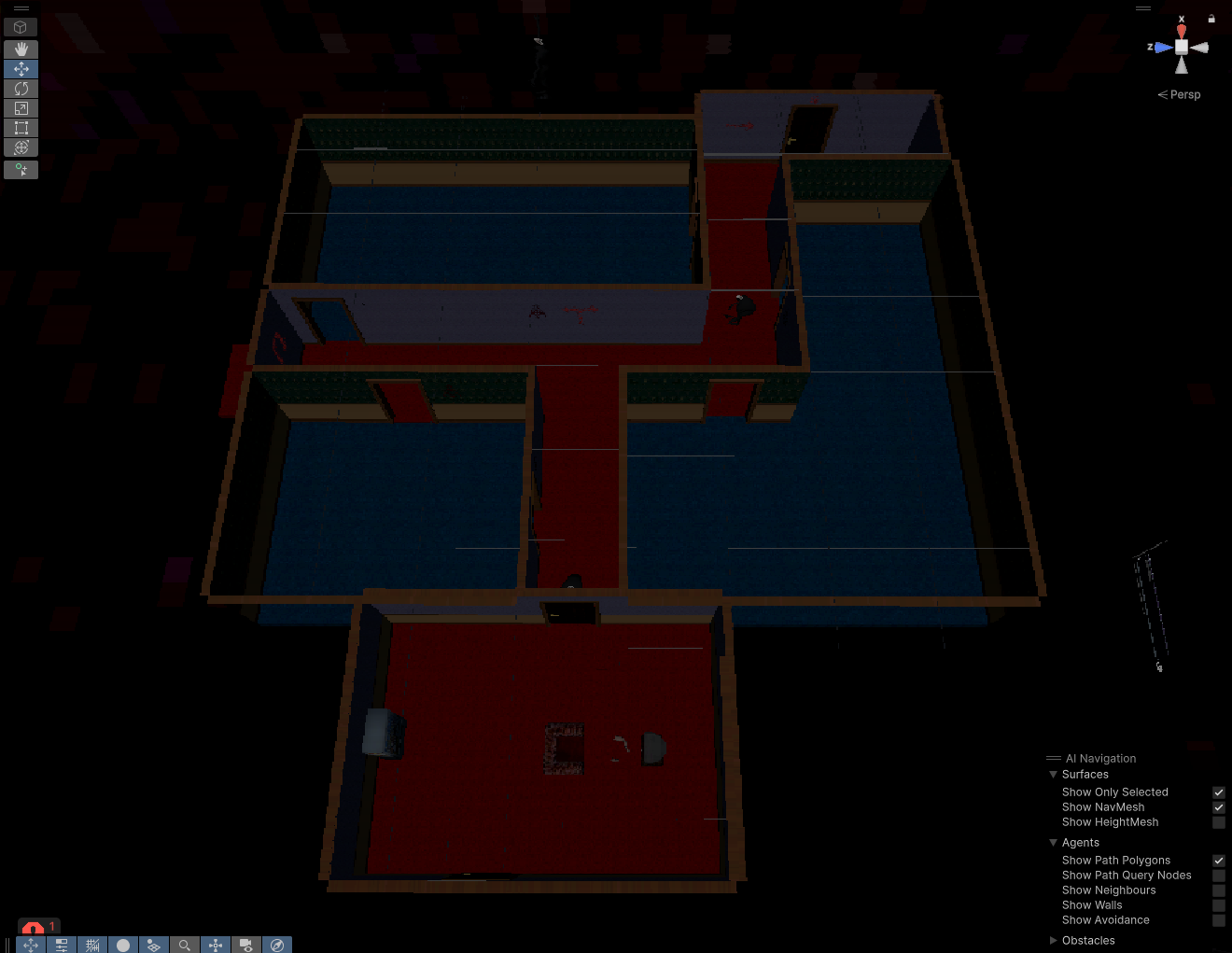
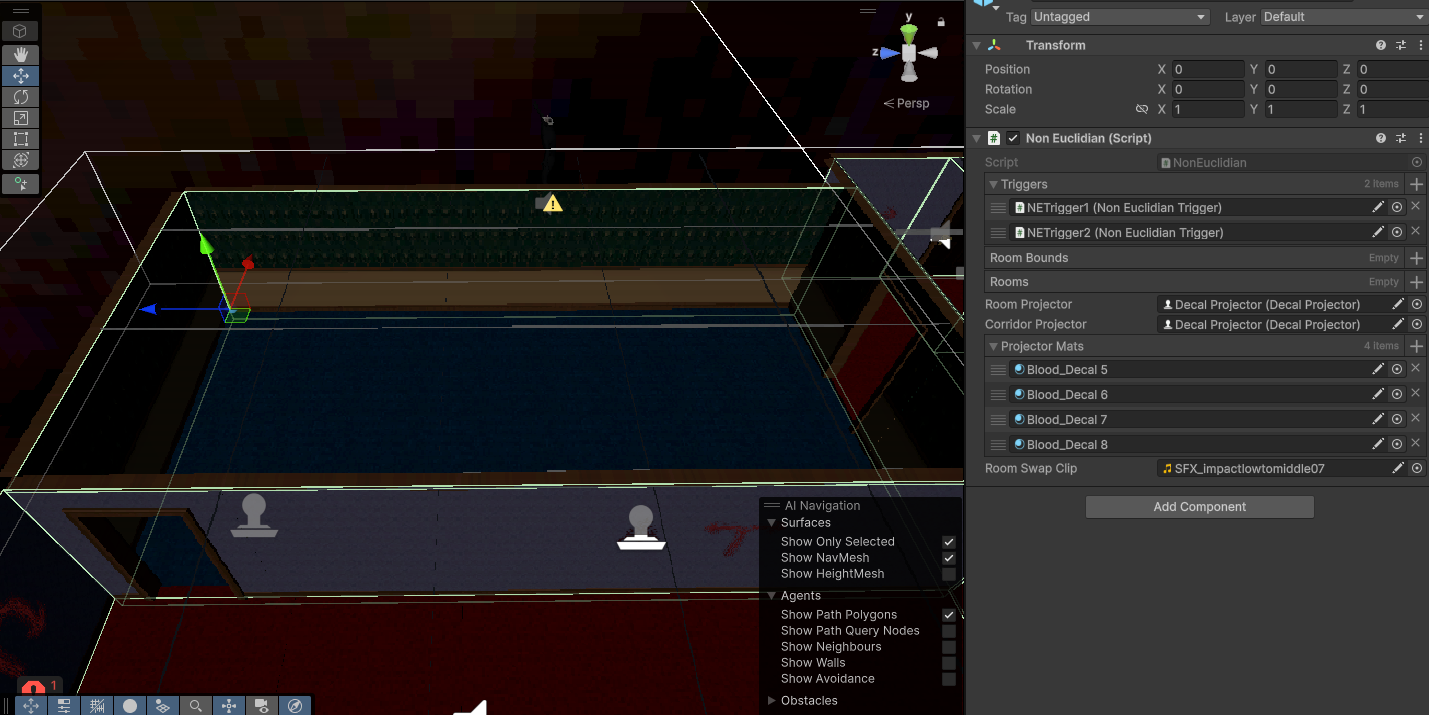
Each of these elements are designed to make playthroughs flow well even without hints, even though players have to rely on them to actually make real progress. It strikes a balance at player freedom / agency while offering the LLM a chance to guide the players.
Horror Exploration
During development, I worked closely with the dev team to come up with technically unique ways to scare the player. Horror elements in Streamphobia can be broken down into 3 categories:
- Enemy: the ghostly figure that physically tracks the player
- Environment: the looped level itself which changes and adds new unsettling elements randomly, to build atomosphere
- Chat: chat often donates, lies, or straight up put jumpscares on your screen
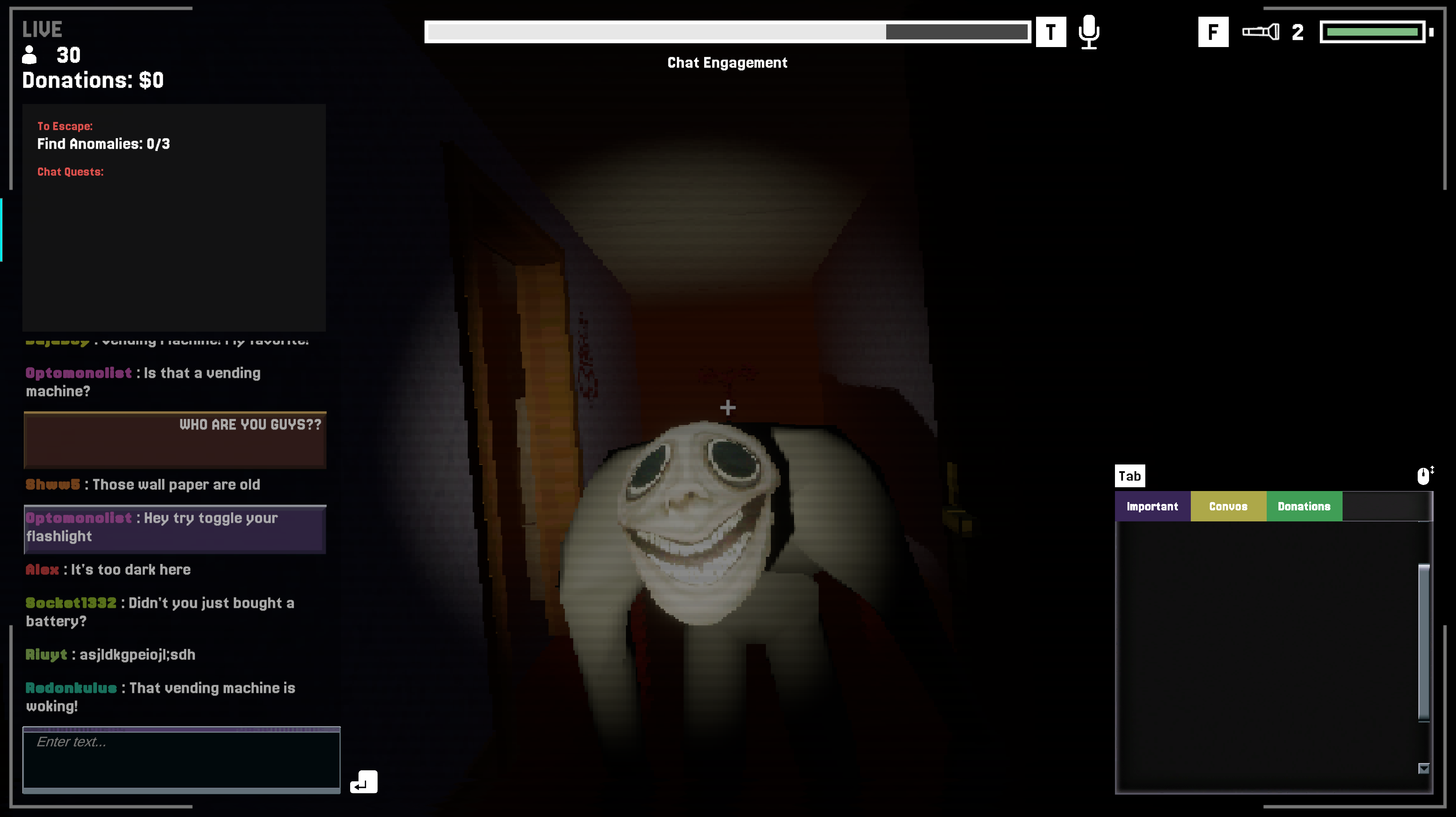
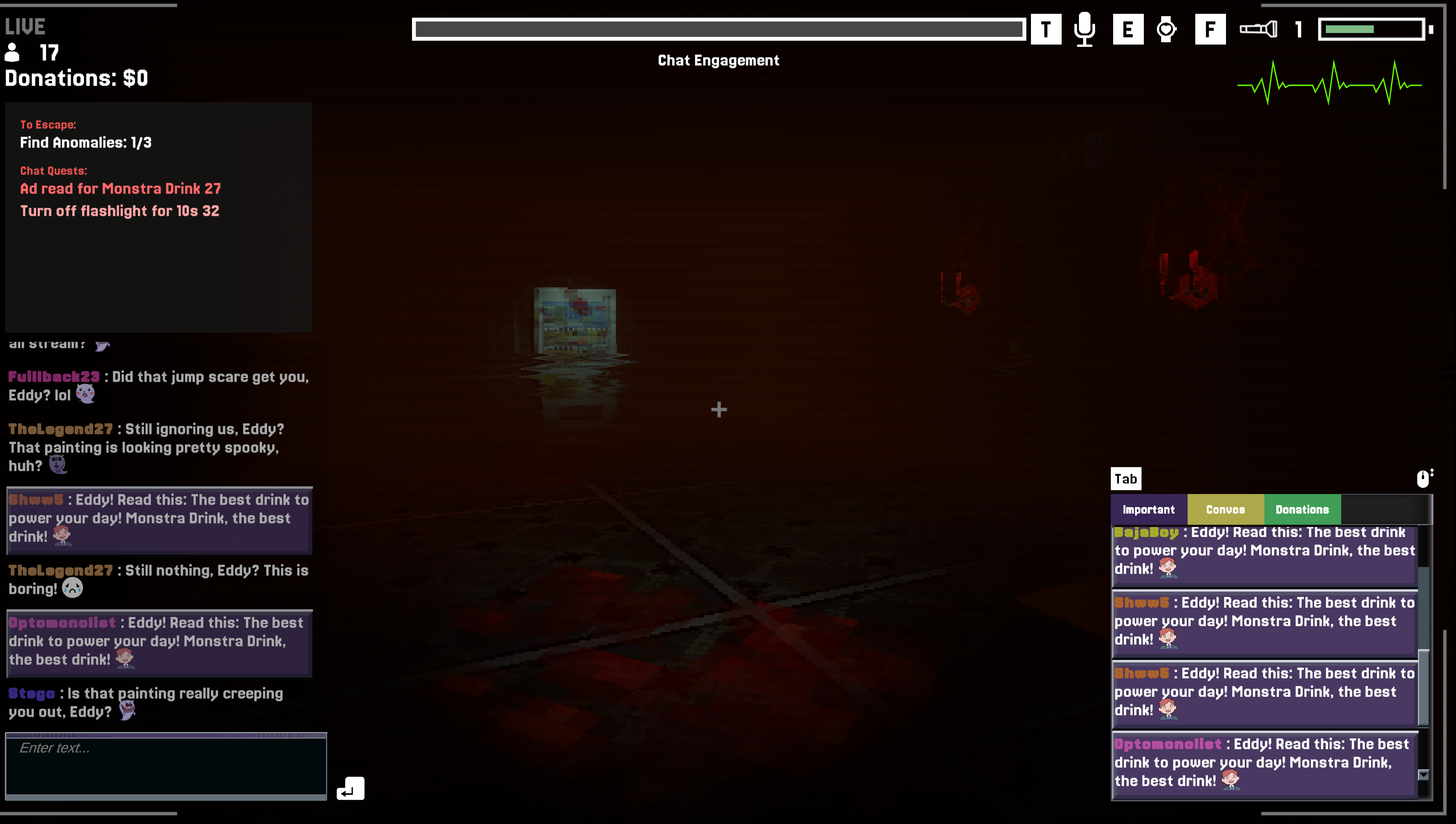
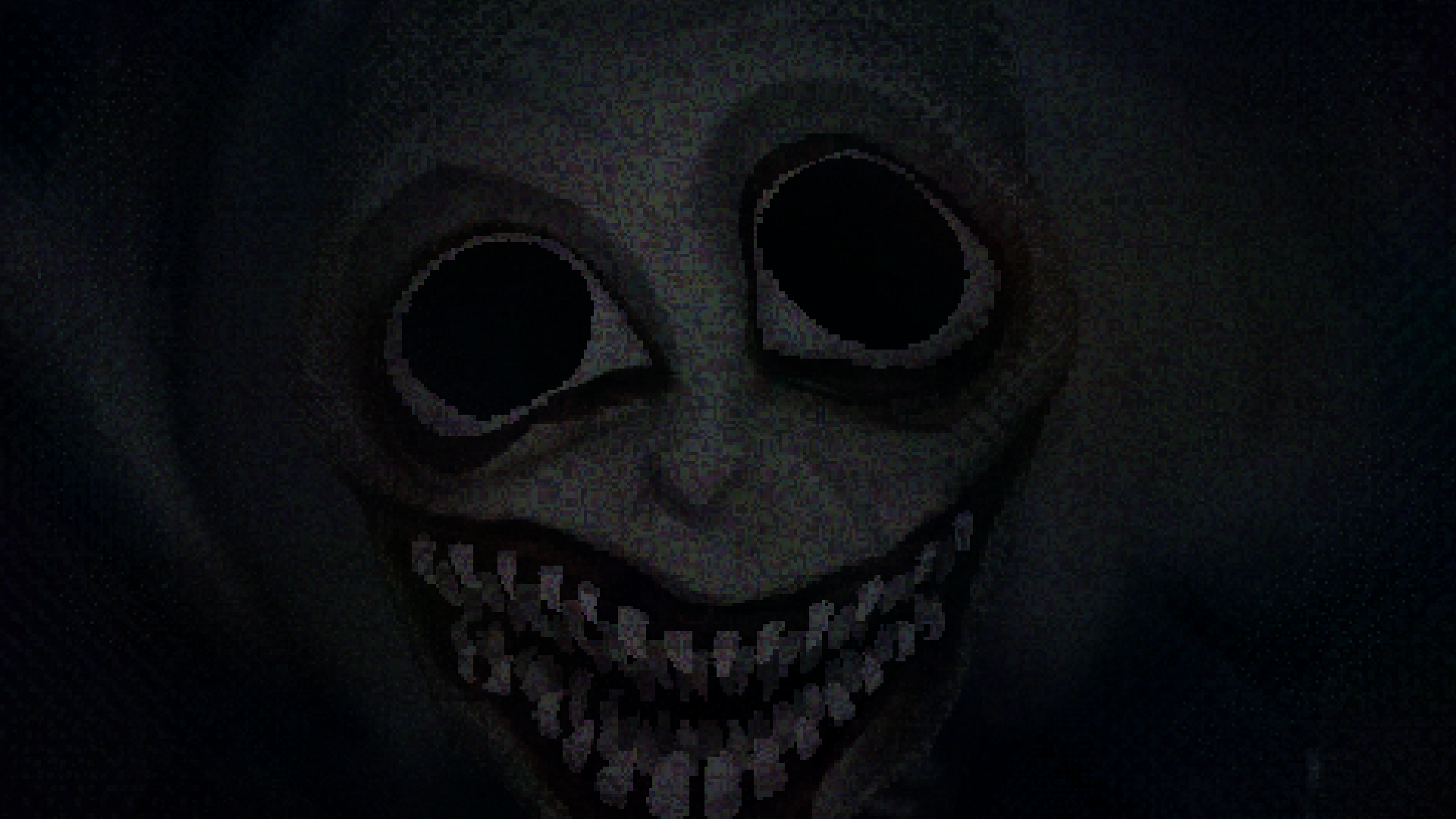
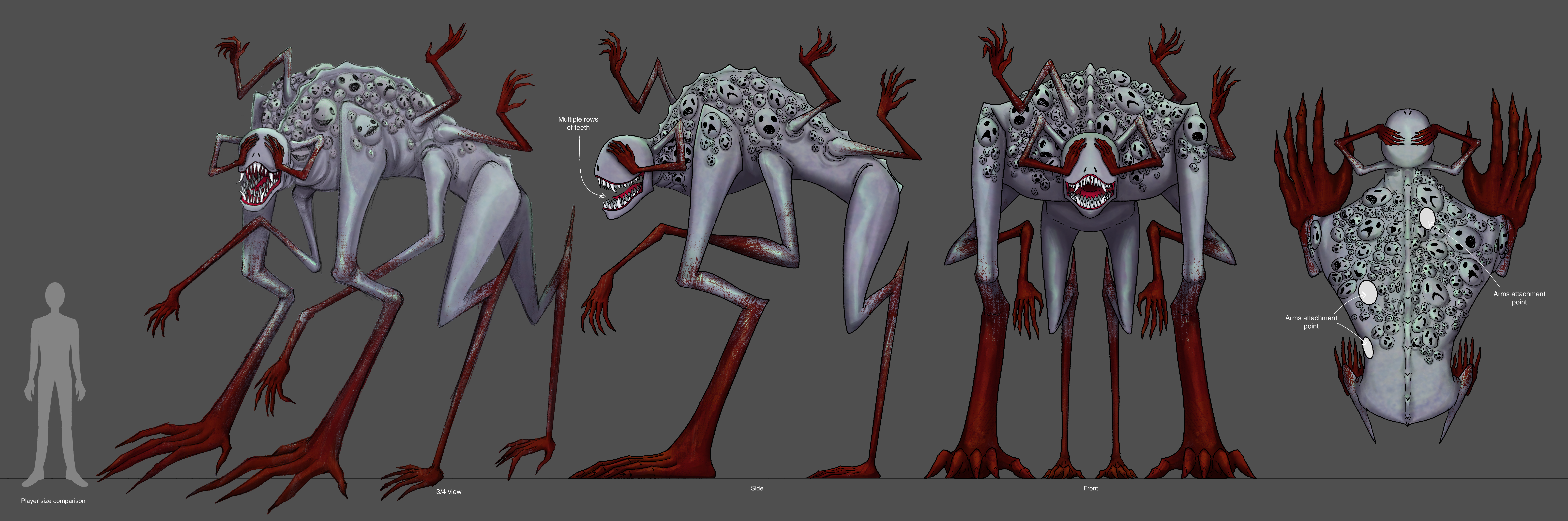
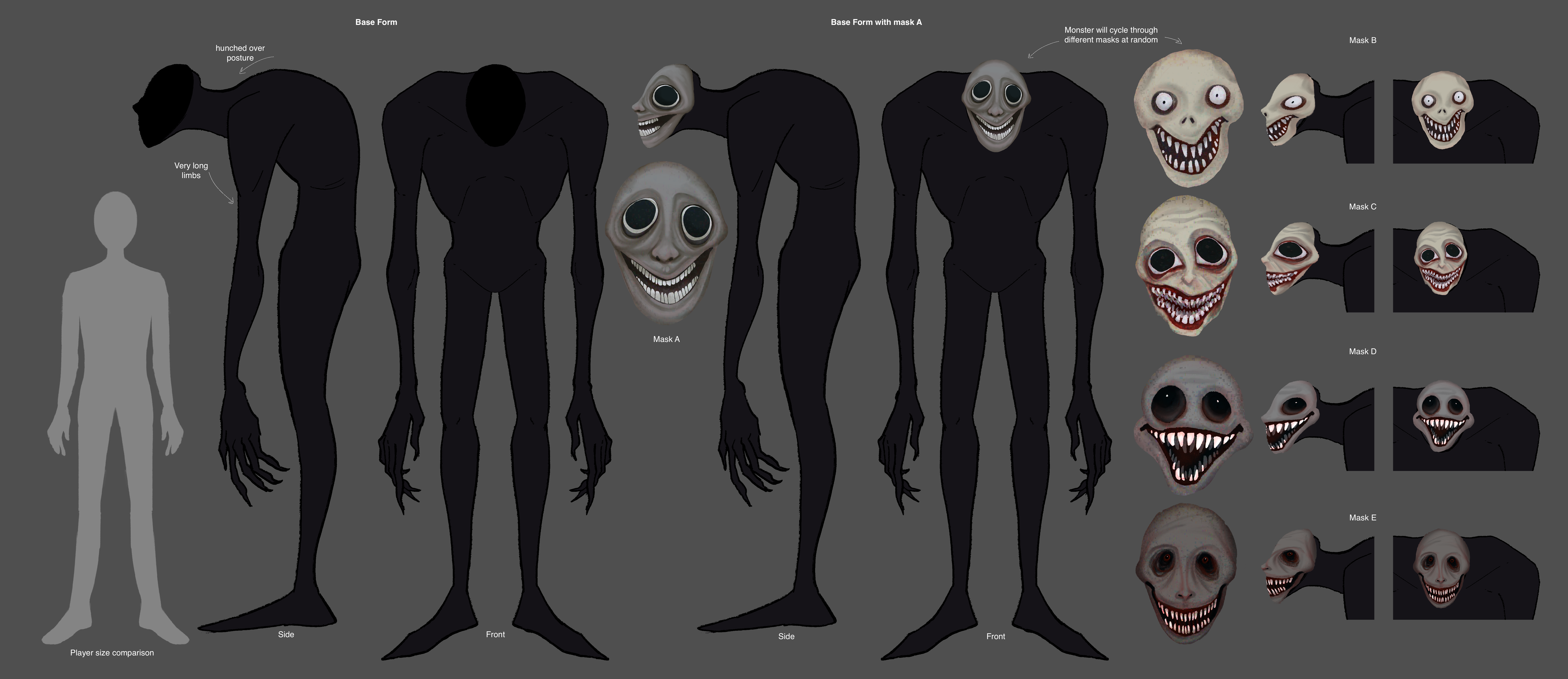
The psychological factor of the player is one the most powerful tools in horror. For that we designed the onboarding part to start slow, building up the tension, before releasing it in the form of a scripted jumpscare.
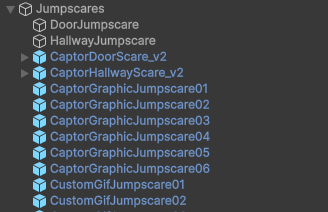
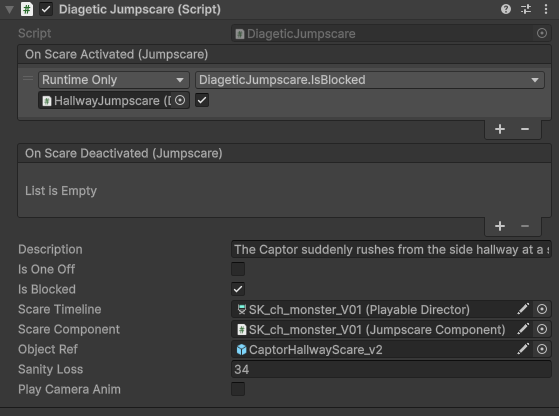
Jumpscares are also designed to be interchangable, based on the player location, enemy states, and how frequent it should be triggered, based on the current level loop.
LLM Integration
To address the issue that LLM Chat is far less significant than expected in the original design, this time, I put Chat features at the forefront. Not only players have to rely on Chat's guidance to find the correct anomalies, they also have to interact with them to please Chat, in order to win more accurate hints.
Inspired by "Favor" mechanic from AlterStaff's main game: Ai2U, I pitched a similar system that aids the consistent build-up of a relationship between player and Chat. The more the player is able to entertain their audience, the easier the game becomes; and less jumpscares they will encounter. This was mainly achieved via a quest system where LLMs would be able to generate specific quests for players to complete in order to win their favor.
Reception & Improvements
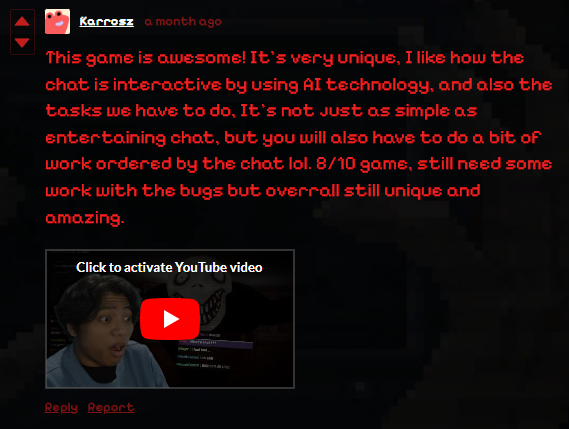
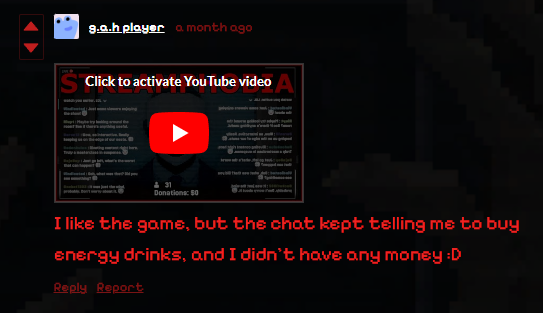
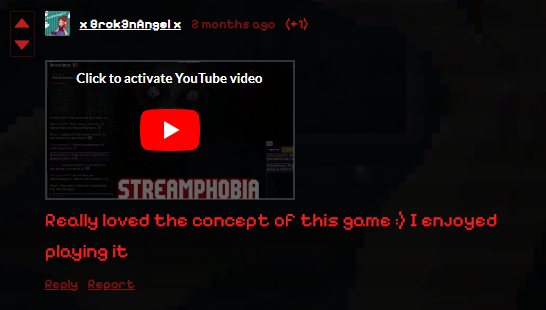
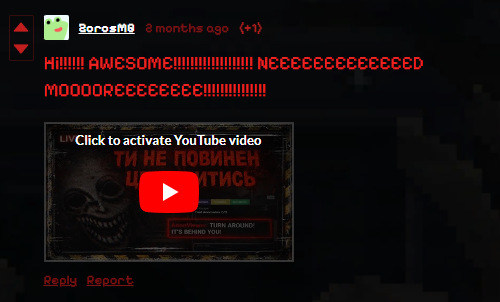
Since release on AlterStaff's itch.io page, Streamphobia has proven to be the most popular small-scaled project since Ai2U. Many players voluntarily posted playthroughs, as seen below.
Due to the extreme time and resource constraints we had with this project, there were many things I would have liked to see improve in further development, such as more accurately trained models, better level designs, and smarter enemy AI. For me, one of the biggest challenges that we had with the project was the LLM intergration. It was still not significantly in the forefront enough for me to proudly declare that to be a success. There are many features I proposed which was left on the cutting room floor such as accurate Chat spams, airdrops, and unique Chatters or Trolls.
Appreciation
Many of the prototype team members who have collaborated with me
are super talented individuals who have been intergral to this
project's release.
Sam Beckmann, Producer
Robert Reddick, Programmer (Horror Systems)
Yuchen Xue, Programmer (Gameplay)
Shutong Ji, Programmer (LLM)
Lulu Xu, Artist